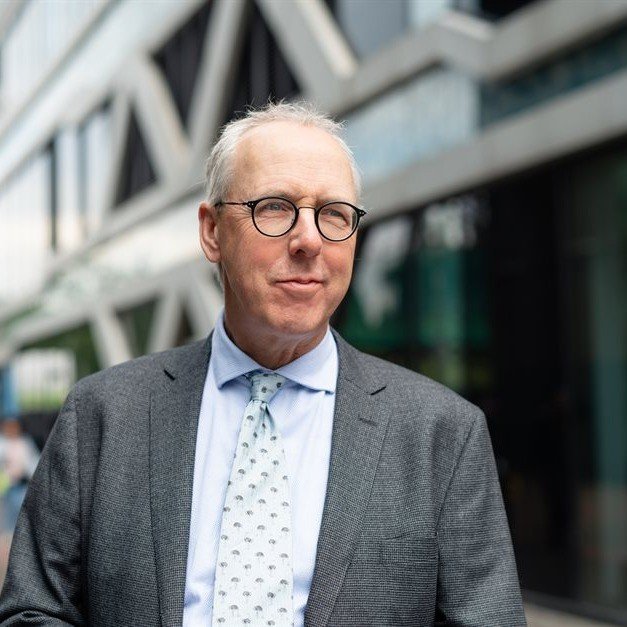
The Chair of the Netherlands’ gambling regulator has urged European nations to collaborate as the continent continues to fight against the illegal gambling market.
Michel Groothuizen, Chair of the Kansspelautoriteit (KSA), lamented the problems that the EU nation continues to face in a blog released on the back of the Netherlands’ annual gambling committee debate.
“Illegal gambling is, in fact, an unprecedentedly large and complex problem. Of every euro a Dutch person gambles away, half goes to the illegal market,” he said.
“Anyone examining this industry will see that the turnover of the global illegal gambling market exceeds the GDP of any country, with the exception of the US and China.
“The public often holds the image of foreign companies with sound business practices that, thanks to the freedom of the internet, occasionally attract a Dutch player. We must abandon that image.”
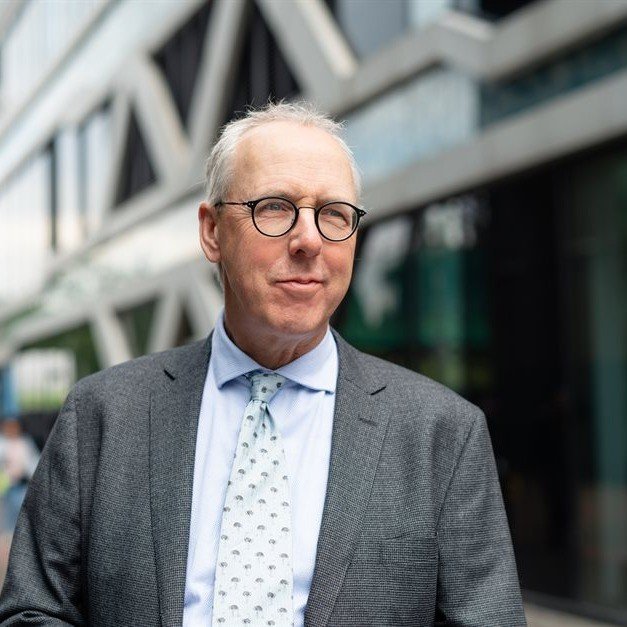
Groothuizen added that achieving meaningful impact requires international cooperation and European-level intervention to challenge the global infrastructure supporting illegal betting, as the KSA and the Netherlands are simply “far too small”.
The Netherlands is still implementing a list of reforms to the Remote Gaming Act (KOA) mandated by previous governments.
With that backdrop, State Secretary of Justice Claudia van Bruggen faced a barrage of questions from nine MPs at the start of this month regarding the gambling industry.
Concerns were raised around player protection – notably increasing the legal gambling age to 21 – as well as the regulation of the sector, limiting the number of licence holders, the impending advertising ban and the black market itself.
Groothuizen indicated that he was pleased with MPs bringing the latter up, and particularly welcomed suggestions to deploy a tool to block illegal websites and look at the possibility of using fake identities to tackle unlicensed operators.
As illegal operators use social media as a marketing mechanism, the task of tackling them becomes more complex. The KSA chair did affirm, however, that the Netherlands is “holding the major tech companies accountable” as a plethora of black market adverts continue to plague mainstream social media platforms.
It is on this topic, among others, that the KSA has admitted it needs help from other jurisdictions and regulators in order to fight against such operators, though.
Groothuizen explained: “Inevitably, we need Europe to persuade such parties to cooperate with us in the fight against illegal gambling. In my view, it is naive to cling to the idea that a well-regulated legal national market and a national regulator are sufficient to tackle this problem.
“We are fighting a global network of ruthless criminal organisations with dedicated community police officers, whereas we should actually be deploying an international investigative service.”
KSA doesn’t stand alone in pleas
The KSA is far from the sole advocate of cross-border collaboration. As recently as last week, the Financial Action Task Force (FATF) published ‘risk indicators’ in order to better inform regulators of black market operators.
In that publication, FATF President urged governments to “place appropriate risk-based responses”, which included “public-private collaboration”.
The European Gaming and Betting Association (EGBA) has also been particularly vocal in urging regulatory bodies to work together and has recently set out to improve collaboration with national and international trade bodies in their joint fight against the illegal gambling market.
In his statement, Groothuizen concluded: “This international clout [of the black market] was barely mentioned in the debate, and the lack of attention from the House regarding this very likely means that the department will also work on European rules only sporadically, hidden among all the other priorities the House sets.
“I find that regrettable, because illegal providers have long been operating across borders. Their entire habitat is international, from financial flows to advertisements on social media.
“Real impact requires clout at the European level. That realisation does not yet seem to be widely shared in the House of Representatives.”
Learn how to integrate responsible gaming into your marketing strategy with a masterclass led by Arjan Korstjens on Thursday 1 October. Get yourself a conference pass by visiting https://sbcevents.com/sbc-summit/masterclasses/