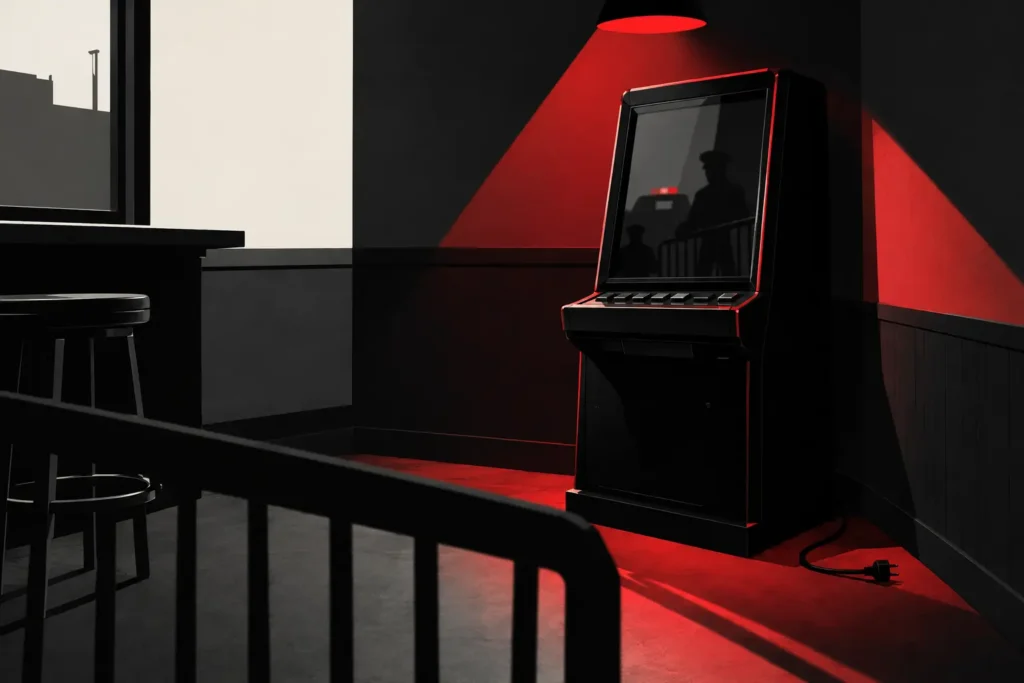
Pennsylvania’s 120-day window to create a legal framework for skill games expired without legislation on Tuesday, making the machines illegal statewide from Wednesday and exposing businesses that retain them to enforcement. The change follows a June state Supreme Court ruling classifying the devices as illegal slot machines. It closes a period intended to give lawmakers time to regulate them, while leaving unresolved whether a future legislature will establish a legal market.
Why Pennsylvania skill games lost legal status
The Pennsylvania Supreme Court’s June decision overturned several lower-court victories for the skill-game industry, finding the machines to be illegal slots rather than games of skill outside state gambling regulation. The court paused enforcement for 120 days to allow lawmakers to consider rules under the Pennsylvania Gaming Control Board (PGCB), but the legislative window ended without a bill.
Skill games use spinning reels and symbols similar to casino slots, typically alongside a second phase of play involving a skill element. The machines have spread through bars, corner stores and other small businesses, where operators and venues have shared revenue from them.
The legal distinction mattered financially as well as operationally. Pennsylvania casino slots are taxed at 54%, according to iGaming Business, while skill games had operated untaxed and without the same regulatory oversight. The casino industry had argued that the machines diverted customers and gambling revenue from the regulated market.
Enforcement puts remaining machines in focus
The Pennsylvania State Police have warned that businesses continuing to offer skill games risk seizure of the machines and criminal charges. The PGCB’s position, as reported by iGaming Business, is that existing skill-game cabinets do not become legal merely by being placed in a licensed casino or truck stop: only board-approved slot machines and video gaming terminals may operate in those locations.
Local reporting by WVIA and WESA described businesses removing devices or arranging for their collection as the deadline approached. Some machines may remain temporarily at customer sites while removal is organised: Altoona-based supplier DeLeo Games said it had an agreement with state police to remove disabled cabinets by 4 November, with no proactive seizure while the stated conditions are met.
That arrangement concerns equipment awaiting removal, not permission to continue operating the games. The distinction is important for venues weighing whether to keep a cabinet on site: the general prohibition is in force, while the reported accommodation is limited to disabled equipment being collected under agreed conditions.
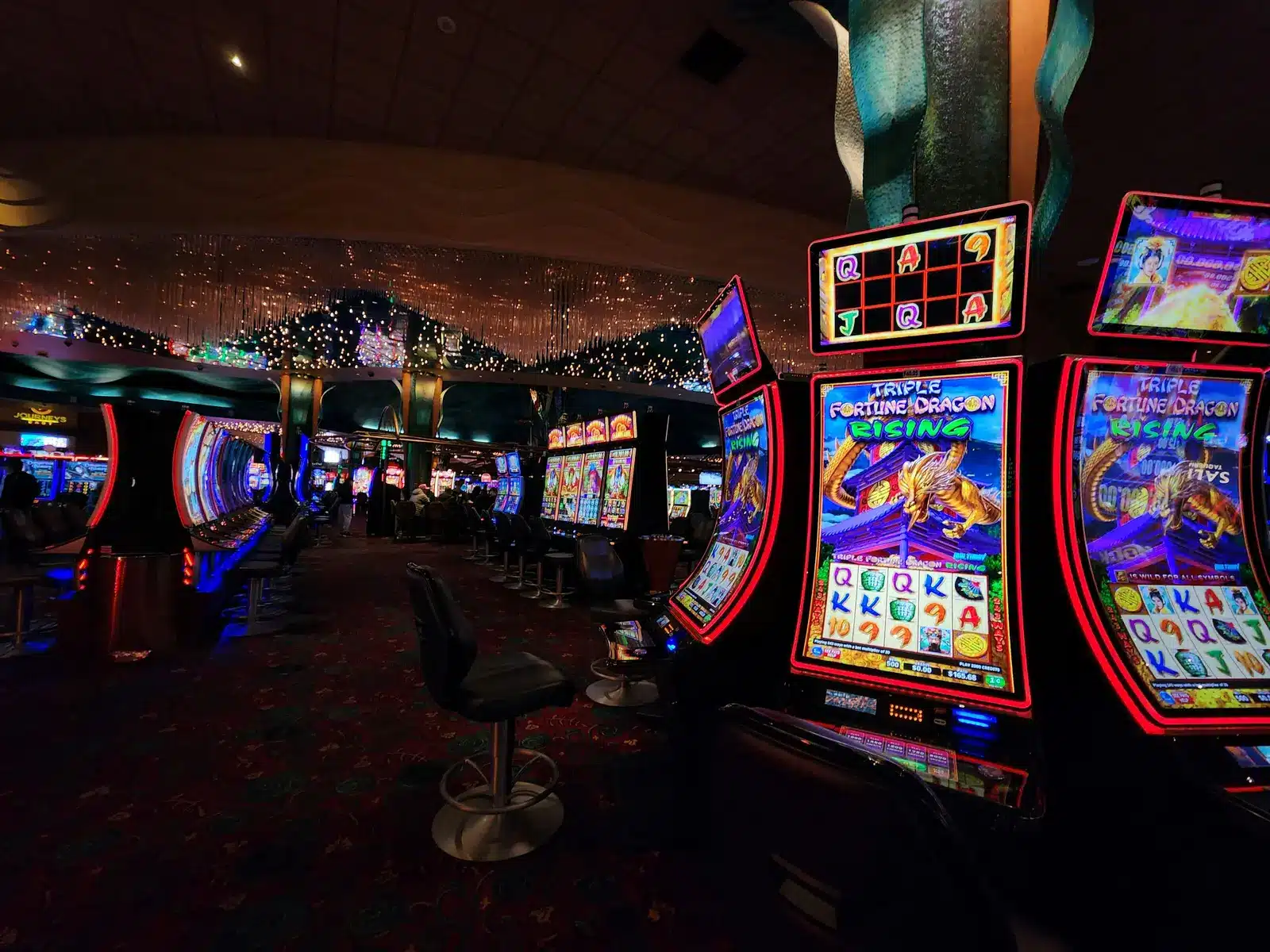
The scale of the market helps explain the disruption. Pennsylvania has about 25,000 regulated casino slots, while estimates for skill games range from 50,000 to more than 70,000 machines statewide. Businesses have told local media they are losing revenue they had come to rely on, although the machines’ exact statewide count is difficult to establish.
For comparison, PGCB figures cited by iGaming Business show casino slots generated $427 million in gross revenue and $145 million in state taxes during the first two months of the 2026-27 fiscal year. Video gaming terminals in licensed truck stops added $6.7 million in revenue and $2.8 million in taxes over the same period.
Lawmakers leave future framework unresolved
Proposals to regulate the machines had included House Bill 2213 and Senate Bill 1079. Both would set a monthly fee of $500 per terminal and cap the statewide total at 50,000; supporters estimated the framework could raise $300 million annually. Neither proposal advanced before the deadline.
Lawmakers remain divided over how to tax and regulate the devices, and businesses that hosted them have pressed for a route to keep revenue flowing. WVIA and WESA reported that Republican state treasurer Stacy Garrity supported a $500 monthly fee, while Governor Josh Shapiro had backed a tax rate aligned with casino slots. Those positions have not yet produced legislation.

The two-year legislative session is scheduled to end on 30 November. Any proposal left unfinished would need to return in the next session unless lawmakers are called back earlier, leaving operators and suppliers without an immediate statutory route to resume legal skill-game operations.
The post Pennsylvania Skill Games Put Businesses in Enforcement Spotlight appeared first on CasinoBeats.