FDJ United has launched urgent proceedings to force Meta to remove ads that copy its brands to promote online casinos, which are banned in France. The case follows a Paris appeal ruling against Meta in a similar dispute brought by Barrière, while the ANJ's own blocking powers keep widening.
The procedure chosen is a référé, France’s fast-track route to interim relief. On the evening of Monday 16 November, the group said Meta had been served with the summons.
The group’s monitoring shows how persistent the ads are. Between 18 and 21 May, it found 226 new illicit posts on Facebook and Instagram. Many were identical or nearly identical to content it had already reported. Some fake posts showed its partner retail outlets. Others copied the front pages of well-known newspapers to look more convincing.
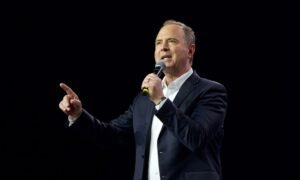
Chief executive Stéphane Pallez announced the action in a newspaper opinion piece. At the same time, the group ran an awareness campaign against illegal gambling during European Safer Gambling Week. FDJ United estimated that more than 80 million Europeans come across illegal gambling offers every year. It warned of risks including no player protection, unpaid winnings, hacking and data leaks.
Barrière has already won an injunction against Meta in Paris
In January 2024, casino group Barrière recorded more than 2,400 ads on Facebook, Instagram and Messenger that copied its trademarks. Hundreds of advertiser profiles had posted them.
Other Meta–Barrière decisions were still before the court when the appeal judgment was handed down. These included a penalty of €10,000 a day imposed on Meta for failing to put filtering measures in place.
Pressure on Meta is also coming from outside France. On 28 September 2026, Dutch licensed-operator association VNLOK summoned Meta to court in Amsterdam over illegal gambling ads. Those ads also ran on Facebook and Instagram. VNLOK had announced the legal action in June.
FDJ United wants a national coalition against the illegal market. It would bring together licensed operators, digital platforms, financial firms, associations and sporting bodies.
The ANJ’s blocking powers now reach VPNs and payments
The court action runs alongside the regulator’s own tools. Under the 2 March 2022 law, the ANJ’s president can order ISPs and search engines to block or delist illegal gambling content. This applies once an investigator’s report and a formal notice have gone unanswered.
In 2024 the ANJ issued 232 blocking and delisting orders covering 1,337 URLs. Each case takes about two months. Under the old court procedure, it took six to nine months. On 16 July 2026 the president ordered French ISPs to block Polymarket for promoting an illegal gambling offer.
The regulator’s reach has since widened. Article 40 of the sport law of 3 August 2026 amended Article 61 of the 2010 gambling law. As a result, blocking orders can now go to VPN providers as well as ISPs.
Payments are covered too. Under the Monetary and Financial Code, an illegal operator may ignore a formal notice. The ANJ president can then ban all transfers of funds to and from its identified accounts. The ban lasts six months and is renewable. The ANJ can also pass the account details to payment providers.
FDJ United’s case against Meta goes before the Paris judicial court in the first quarter of 2027.
Source material
- Nieuws (VNLOK)
- Lutter contre l'offre illégale (Autorité nationale des jeux)
- Article 61 – LOI n° 2010-476 du 12 mai 2010 relative à l'ouverture à la concurrence et à la régulation du sec… (Légifrance)
- FDJ United poursuit Meta en référé pour des publicités illicites (Quartz (AFP))
The post FDJ United takes Meta to court in Paris over fake casino ads using its brands appeared first on CasinoBeats.