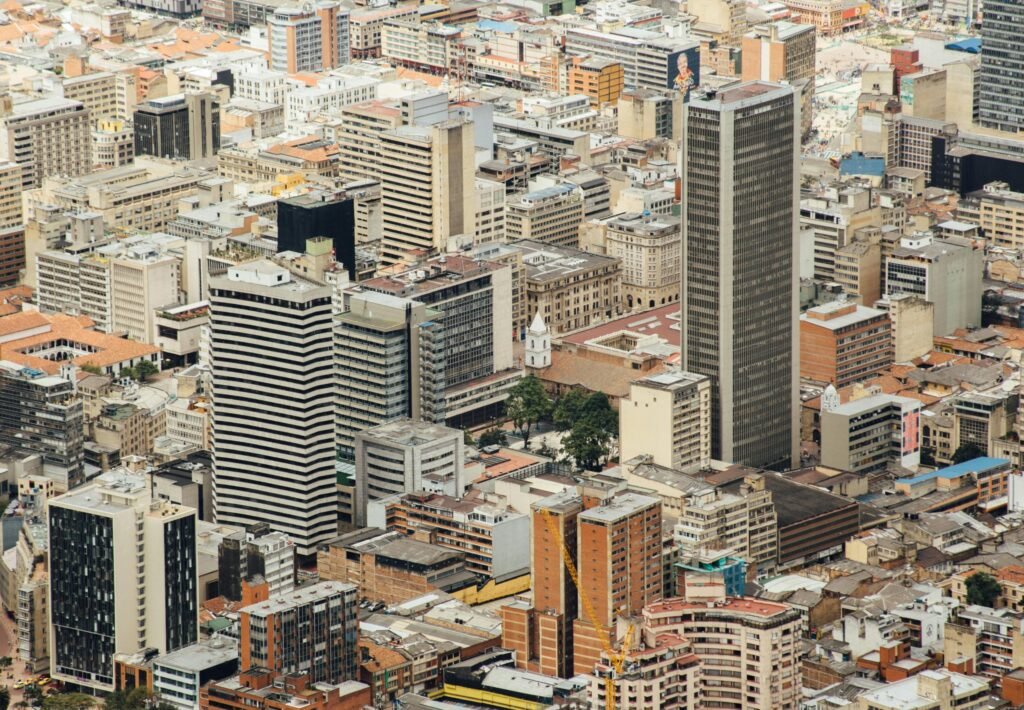
On Thursday, Colombian gambling regulator Coljuegos reported the sector had transferred over COP4 trillion ($1.07 billion) in funding to the nation’s healthcare system since 2022.
Since Gustavo Petro’s election as Colombia’s president in 2022, COP4.01 trillion has been collected in taxes and forwarded to the healthcare sector, more than during any other administration.
The figure makes up 44.46% of the COP9.2 trillion total that has been transferred to Colombian healthcare by the gambling sector since Coljuegos’ formation in 2012.
Coljuegos President Marco Emilio Hincapié said Petro’s government had “made history in the industry”, while voicing his confidence that 2026 would prove to be a record-breaking year in terms of supporting healthcare in Colombia.
“During our administration, the gambling sector has experienced its best period ever,” Hincapié said at the 10th Ibero-American Gaming Summit in Bogotá. “This year alone, between January and May, we have already reached a revenue of COP532.573 billion.
“In 2026, we will surpass our own previous figures.”
VAT potentially impacting gambling tax collection
Although Hincapié is confident of a historic year in Colombia for healthcare funding, the gambling sector continues to face mounting tax pressures.
The industry was hit with a 19% value-added tax (VAT) on deposits for much of 2025, as the government sought fund its response to civil disturbances in the Catatumbo region.
That VAT expired at the end of the year, and, although it was reintroduced on a GGR basis via an emergency decree, it was then fully suspended by the Constitutional Court.
However, the government issued Decree 0240 in March, imposing a 16% VAT on GGR in an emergency response to flooding in the country.
This has caused concern among the industry, especially as the trade body Fecoljuegos revealed in April last year that the online GGR in Colombia had dropped 30% since the initial VAT’s introduction two months prior.
Kyle Goldsmith
Kyle has been with Clarion since December 2023, joining from the world of sports journalism, subsequently becoming a LatAm-facing senior reporter with iGB.