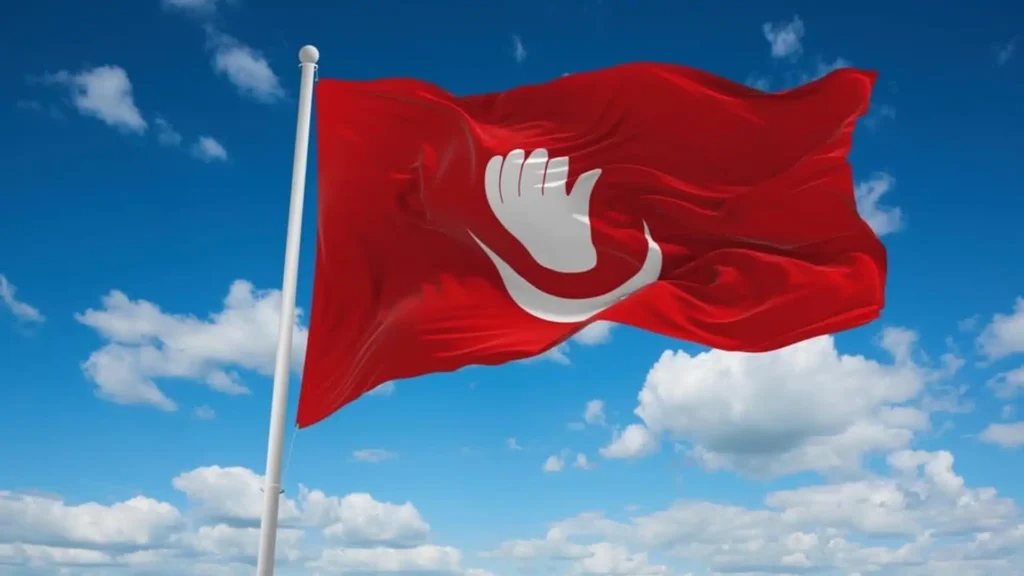
Comoros is seeking British assistance to investigate an offshore gambling-licensing network linked to UK nationals, while preparing legal action against those involved. The dispute puts the status of nearly 1,500 businesses on Anjouan’s public register under scrutiny, with the Comorian government challenging the authority claimed by the bodies behind the licences.
The government says the network operates without authorisation and is working with international police and financial-intelligence agencies. Its request for UK support concerns financial intelligence and cooperation between law-enforcement bodies; the dispute matters to operators and commercial partners assessing the standing of licences associated with the island.
A dispute over authority and legal standing
Anjouan is one of the three main islands in the Union of the Comoros. It declared independence in 1997 and later rejoined the union under an arrangement granting the islands considerable autonomy. During its separatist period, Anjouan developed an offshore financial-services sector.
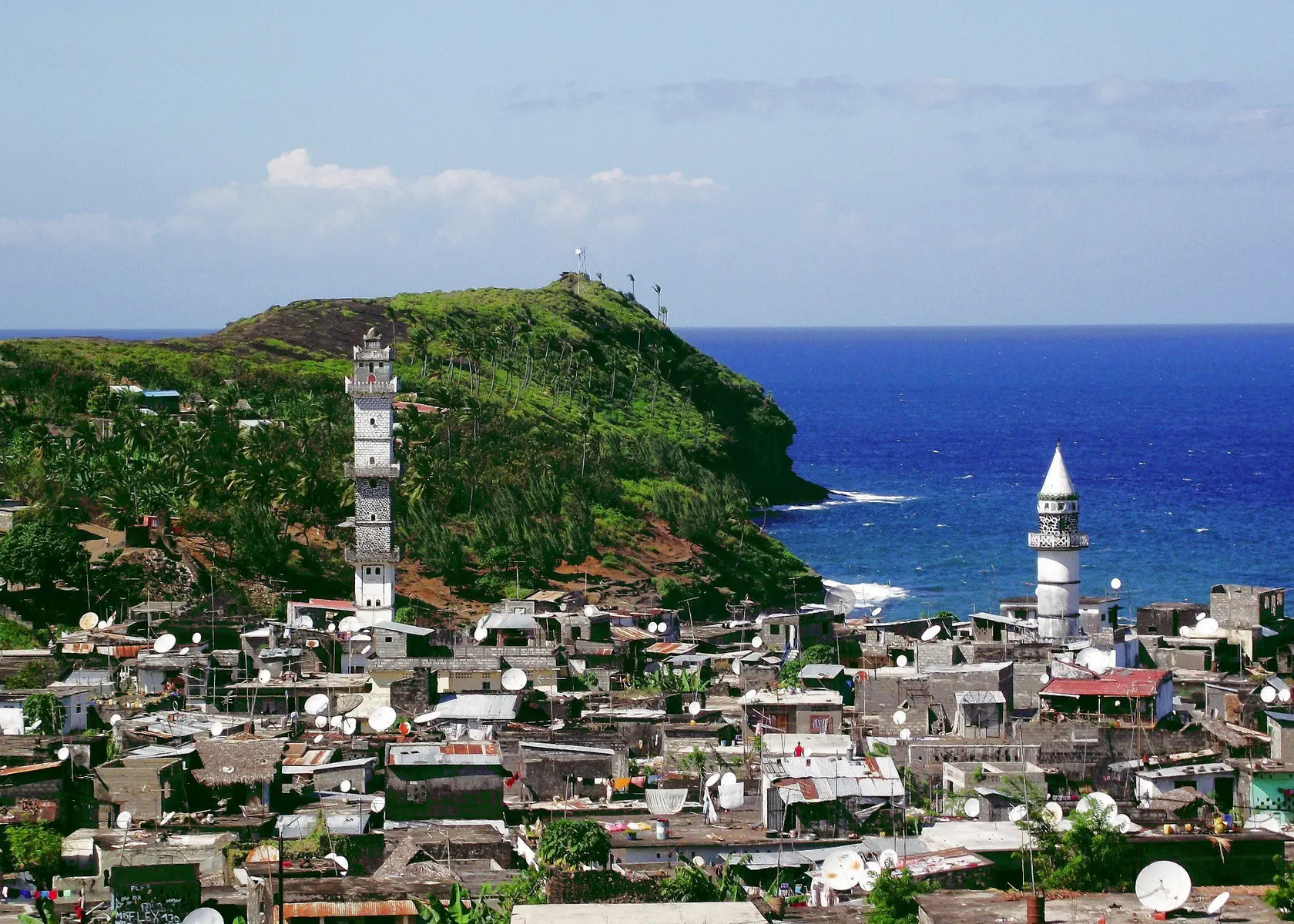
Anjouan Licensing Services began issuing gambling licences in May 2023, as regulation tightened in Curaçao and the Philippines. The regime claims its legal basis is the Computer Gaming Licensing Act of 2005, while the Comorian government disputes the continued legitimacy of the Anjouan Offshore Finance Authority (AOFA), presented as the licensing system’s oversight body.
In December 2025, the Central Bank of the Comoros described AOFA and Anjouan Corporate Services (ACS) as fictitious entities issuing unauthorised financial licences. The warning focused primarily on banking, rather than gambling. Former Comoros attorney-general Azad Mzé later told Australia’s ABC that Anjouan Licensing Services was also an illegal entity.
Anjouan Gaming, which presents itself as the island’s official gambling regulator, maintains that the licences are valid and cites an independent legal opinion. It has not publicly identified the law firm or released the opinion. The competing positions leave the legal status of the system at the centre of the dispute, with consequences for businesses relying on its licences and the firms that serve them.
UK business links and operator practices
An earlier ABC investigation identified connections between ACS and British businessmen, including members of the Sorsky family. The Guardian’s investigation reported that four family members had held stakes in ACS Global Custodian, the UK company behind the Anjouan Corporate Services website. The company’s cash holdings rose from £13,130 to £614,826 in 2025; the source of the increase remains unestablished.
Harold Sorsky denied that ACS had sold or issued gambling licences since the family acquired the company in 2023. He said those functions were handled by other providers. The Guardian also reported that Anjouan-licensed casinos were promoted as alternatives to Britain’s GamStop self-exclusion system, which allows people to exclude themselves from gambling with participating operators.
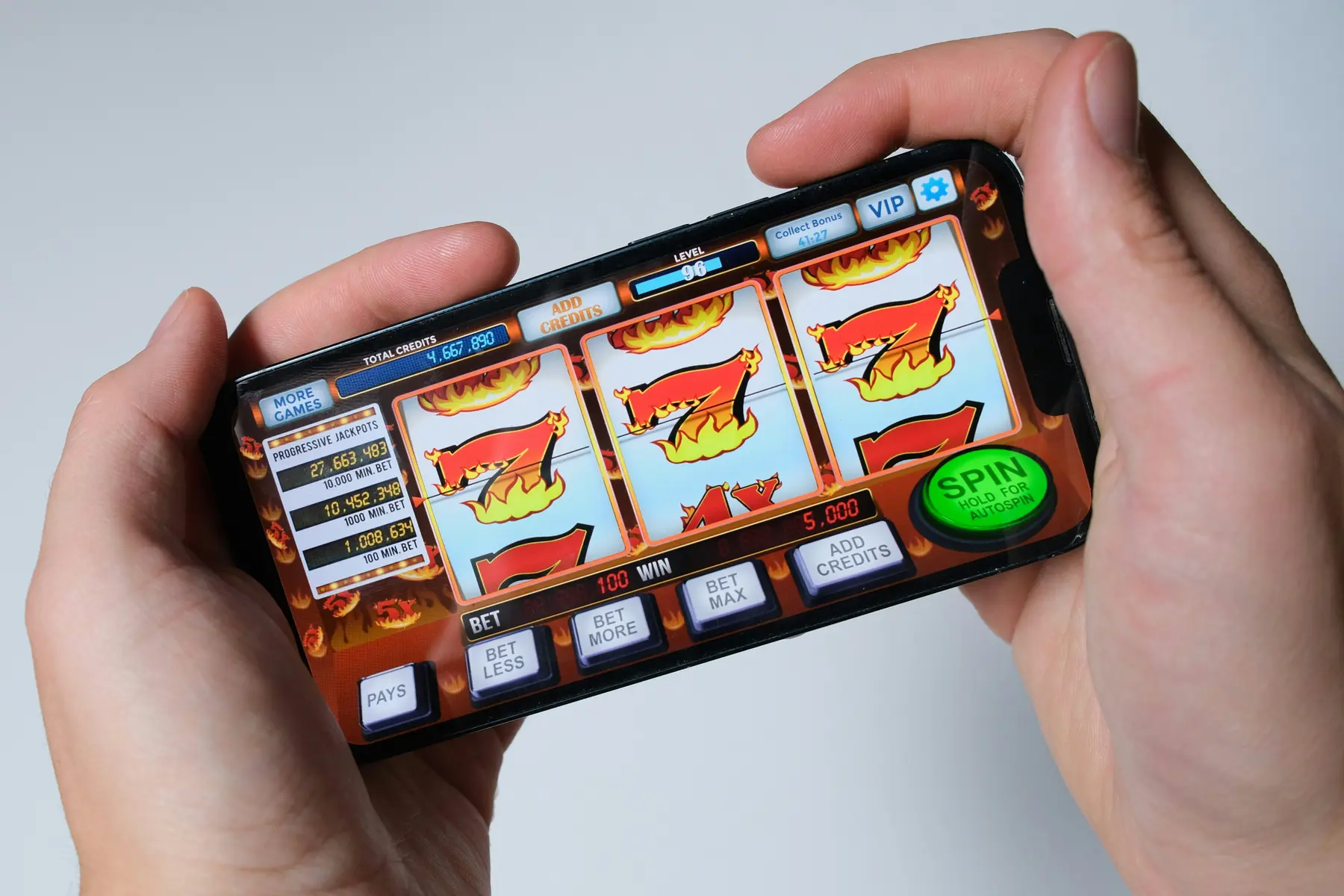
In a test, the Guardian’s reporter registered with SlotsCharm and placed slot bets. After the reporter stopped, the casino contacted them more than 100 times by phone or email with incentives to gamble again. The outlet also reported that some Anjouan-licensed businesses advertised themselves as not on GamStop, a pitch that places them outside the UK self-exclusion framework.
The dispute sits alongside UK enforcement attention on unlicensed gambling. The UK Gambling Commission’s action against Evolution over supplying unlicensed operators illustrates the domestic regulatory stakes for businesses with links to unauthorised markets. Casino.org said it was unable to obtain comment from Anjouan’s government.
Legal action and cooperation ahead
The documentary basis of the claimed 2005 law has also been questioned. A September 2025 study by researchers Steve Menary and Marko Begović said the version available publicly lacked an official signature or stamp and was hosted on the licensing organisation’s website.
Comoros is preparing local legal action and seeking international police and financial-intelligence cooperation, including assistance from the UK. Anjouan Gaming’s claim that its licences are valid remains opposed by the national government’s position on the regime’s authority. Even authorisation by Anjouan’s own authorities would not, by itself, resolve the separate dispute over legality under Comorian national law.
The British Treasury declined to comment to the Guardian on the request. The next step identified by Comoros is its planned legal action at home, alongside efforts to secure cross-border cooperation.
The post Anjouan Gambling Licences Face Legal Challenge; Comoros Seeks UK Help appeared first on CasinoBeats.