Gaming jurisdictions “globally are feeling the impact of the oil crisis” stemming from the Middle East conflict, with markets such as “Singapore, Macau, and the United States… not spared.”
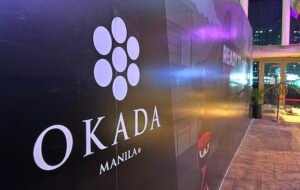
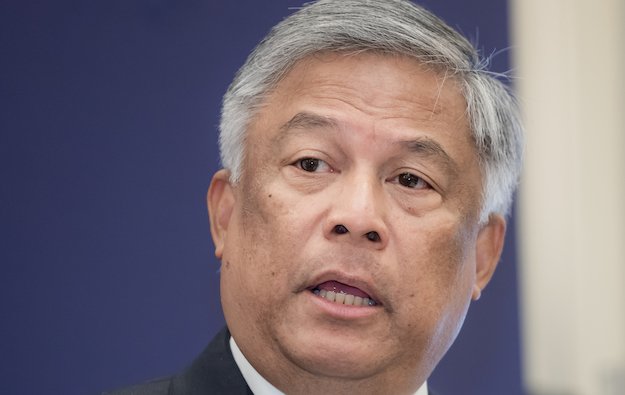
So said Alejandro Tengco (pictured in a file photo), chairman and chief executive of the Philippine gaming regulator the Philippine Amusement and Gaming Corp (Pagcor). He was speaking on Tuesday at an industry social event in Manila hosted by Inside Asian Gaming, a trade publication.
The Gulf region of the Middle East – provider of around a fifth of the world’s oil and gas – has seen maritime trade and energy supplies disrupted since February 28, when the United States and Israel launched military action against Iran.
The Philippines – a major importer of Middle East fossil fuels – has seen energy-saving measures introduced in government departments.
Diesel and gasoline prices in the country have more than doubled since the start of the Middle East conflict. Earlier this week, the national government announced the suspension of several taxes on fuel products to help consumers cope with the rising costs.
A number of investment analysts has also commented recently on the headwinds created for Macau gaming from the energy crunch.
“This is not a good time for everyone,” Pagcor’s Mr Tengco noted, as cited in a Wednesday press release issued by the regulator, concerning his comments at the trade event.
He added that continued dialogue and collaboration would be key to navigating evolving market conditions.
“It is important that we come together, that we continue these conversations, and that we support each other as an industry,” Mr Tengco was quoted as saying.
He added: “At Pagcor, we will adjust what we need to do. We have to be in tune with the times and ensure that responsible gaming remains at the centre of what we do.”
Mr Tengco was also quoted regarding a long-standing proposal to separate Pagcor’s regulatory and commercial roles.
He reiterated that the country’s Governance Commission for Government-Owned and Controlled Corporations – known as GCG – was still reviewing the plan, as reported last year.
The proposal would see Pagcor retain its regulatory role, but drop its operating role regarding the state-owned Casino Filipino chain of gaming venues, with the latter sold off.
Mr Tengco stated: “Many are asking for the decoupling, and we are awaiting the decision of the GCG,” he said. “If we get the approval to privatise, it will be a game changer.”
In September 2024, Mr Tengco had said the privatisation of Pagcor’s gaming operations was likely to start in 2026, as the agency’s charter would have to be amended first.