During the first three months of 2026, suspicions of insider trading have percolated on event contracts associated with the ouster of the Venezuelan president, a military invasion of Iran and aspects of the State of the Union address.
Two of the world’s largest prediction markets have responded with enhanced protocols to enforce insider trading, a scourge on financial markets for more than a century. Yet the self-reporting structure for Designated Contract Markets has placed the onus on operators, rather than regulators, to detect the activity.
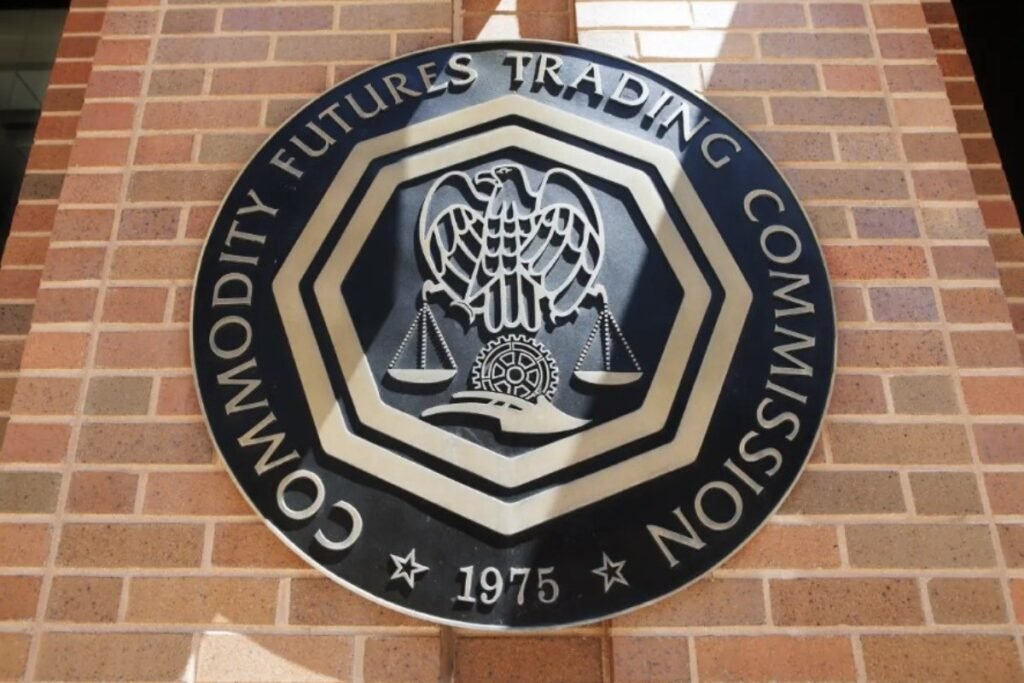
Earlier this week, the US Commodity Futures Trading Commission issued an advisory on prediction markets. In a statement, the CFTC said it released the advisory to provide market participants, legal counsel and other stakeholders with guidance on the staff’s views on the listing and trading of event contracts.
The release of the advisory 12 March marks the CFTC’s first staff guidance on the topic since chairman Michael Selig’s confirmation by the US Senate in December.
With a heated battle between states’ rights advocates and supporters of federal regulations on gambling-related trading products, hundreds of billions of dollars may be at stake. One forecast from gaming analysts Eilers & Krejcik estimates that prediction markets could generate more than $1 trillion annually by 2030. Before then, the integrity of the marketplace will be closely monitored by industry stakeholders.
“The statutory core principles for DCMs reflect the important role that these exchanges play in promoting the integrity of derivatives markets by among other things, establishing and enforcing rules for trading on the DCM and monitoring trading activity,” wrote Frank Fisanich, acting director of the CFTC’s division of market oversight.
Protocols for injuries
On the eve of March Madness, Kalshi listed 341 event contracts on basketball as of 11:40 ET on 13 March, including derivatives on both college basketball and the NBA. While the NHL and MLS have commercial partnerships with prediction markets, the NBA has yet to sign one with a leading company.
Duke University, the co-favourite at Kalshi to win the national title, opened this week’s ACC Tournament with two key injuries. Patrick Ngongba, the starting center for the Blue Devils, is expected to return from a foot injury by the opening week of the NCAA tournament.
As with any market, inside information on Ngongba or any player can swing the prices on a contract. Last October, former NBA guard Damon Jones was indicted on several charges related to illegal gambling. On one occasion, Jones allegedly provided material non-public information on LeBron James’ injured ankle to a group of bettors. In turn, the bettors capitalised on James’ absence by taking the other side.
The “staff recognizes that sports-related event contracts may implicate the involvement of professional sports leagues and their integrity units, as well as the governing bodies of nonprofessional sports organization,” Fisanich wrote.
“DCMs are also encouraged to look to, among other items, any league integrity standards or guidance around markets, contracts, and restricted or insider participants lists, in order to protect against manipulation and insider trading,” he added.
Other prediction market news
As expected, prediction market news represented a popular topic at this week’s Next.io NYC Conference. The conference, held across the street from The Freedom Tower, featured dueling panels from the American Gaming Association and Kalshi.
The AGA, one of the industry’s most strident critics on prediction markets, has dropped FanDuel and DraftKings in recent months. The sticking point between sides is ostensibly on the launch of predictions by both companies. Josh Sterling, a former CFTC employee, has represented Kalshi in a spate of litigation over the last 18 months. Sterling appeared at a Next panel this week, but declined comment on pending litigation related to prediction markets.
Also this week, the CFTC published an Advanced Notice of Proposed Rulemaking seeking public comment on the need to amend or issue new regulations concerning event contracts traded on prediction markets. One rule, CFTC Regulation 40.11, prohibits DCMs from listing event contracts on assassination, terrorism and/or war. The CFTC published the notice on Thursday, the same day it issued the advisory on event contracts.
A provision in the 2010 Dodd-Frank Wall Street Reform and Consumer Protection Act contained a section that expanded the Commodity Exchange Act. The CFTC believes that it has exclusive jurisdiction over the regulation of event contracts through the act.
“Today’s action is an important step in the Commission’s continued effort to promote responsible innovation in our derivatives markets,” Selig wrote. “This begins the process of new rulemaking grounded in a rational and coherent interpretation of the Commodity Exchange Act, while reassuring the American people that the CFTC will exercise its exclusive jurisdiction over prediction markets.”
Any comments must be submitted in writing and received within 45 days of the publication of the notice in the Federal Register.

Matt Rybaltowski
Matt is primarily responsible for long-form feature coverage on complex sports betting scandals. He also provides coverage on finance, M&A and other technological developments.