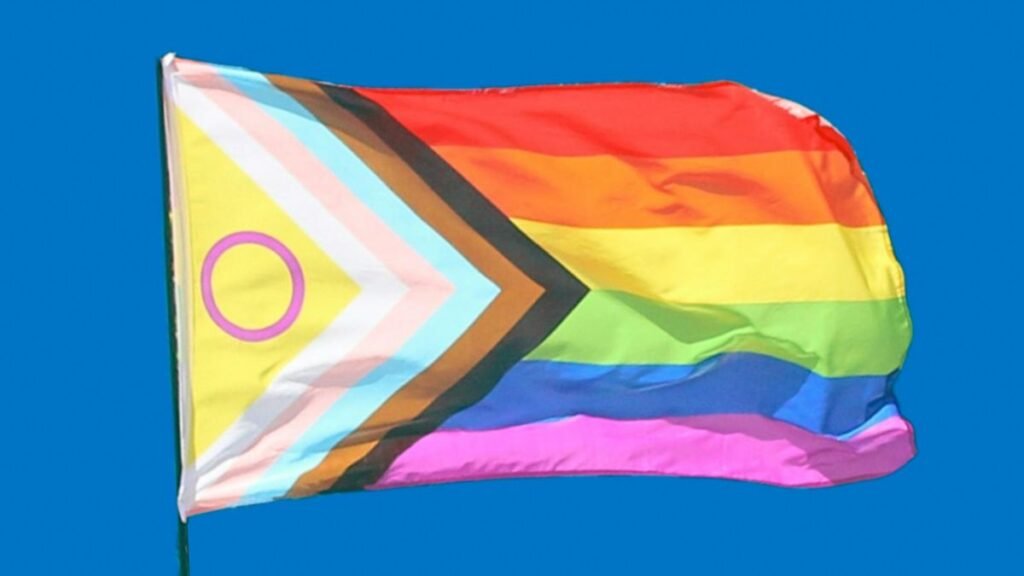
LGBTQIA+ communities may experience disproportionately high levels of gambling-related harms and distinct barriers to support, according to a recent UK study.
Queer community members who gamble may risk increased harm and distinct support barriers, according to the results of a recent UK study.
Undertaken by Bournemouth University, researchers identified a trio of interconnecting themes affecting participants’ lived experiences:
- Use of gambling as an escape or coping mechanism
- Perceptions of gambling-related support services not meeting gender and sexuality-related needs.
- Experiences of discrimination and limited representation within gambling environments
Dr. Reece Bush-Evans, a senior psychology lecturer at BU, led the study, which appeared online in the Journal of Psychology and Sexuality in late 2025.
In an article about the study published by BU, Bush-Evans spoke to the findings:
Participants described using gambling to manage distress linked to the psychological burden of marginalisation. What stood out was the persistence of barriers to gambling support services related to sexuality and gender minority status, including fears of bias, limited representation, and a lack of support that reflects specific sexuality-and gender-related needs.”
Study Sought Insights into LGBTQIA+ Gambling Experiences
As the study establishes, gambling is a “recognised public health issue that can cause significant harm to individuals, families, and communities.”
Potential harms range from minor consequences, such as lost time, to more severe, lasting outcomes, including crime, debt, homelessness, and suicide. In many cases, the negatives move beyond finances into “overall wellbeing and quality of life.”
Further, while harm is widespread, previous research indicates that overall, men generally report greater harm than women. However, research also suggests that sexual or gender minorities may have an elevated risk of gambling harm compared to heterosexual and cisgender populations. Lesbian and bisexual women appear particularly affected. Meanwhile, studies show that transgender and non-binary people could face “heightened” vulnerability.
Despite this, the experiences of these communities remain “largely absent from academic research and public health discourse,” the authors wrote. This invisibility, they argue, leaves “critical gaps” in understanding these groups’ “specific risks, coping strategies, and barriers to support.”
This lack of available research is notable given the value in capturing the realities of marginalized communities. Such insights are essential to understand how gambling harm is experienced and navigated, they added.
With this study, the research team aimed to generate new insights into the underrepresented gambling experiences of LGBTQIA+ adults.
Specifically, the study sought to explore:
- How LGBTQIA+ adults describe their gambling experiences
- What role, if any, do sexual and gender identity play in shaping these experiences
- Whether gambling is associated with community harms
- What forms of support or change might help to reduce harm and improve service access
The researchers invited 31 UK-based LGBTQIA+ individuals, ages 20 to 59, with online gambling experience, for semi-structured interviews. The ensuing conversations explored the participants’ experience of gambling behaviours, harms, and accessing support services.
Gambling is an Escape and a Trap
As their findings reference, researchers uncovered three main themes illustrating queer community members’ experiences of gambling.
The first theme identified gambling as an “escape” from minority stress and exclusion.
The research team found that participants described gambling as a way of coping with everyday discrimination and minority stress. They described gambling as a response to the challenges surrounding their identity. It offered a “form of escape or distraction from feelings of exclusion, marginalisation, inadequacy, and depression.”
One participant said:
“Life is harder when you’re the minority. It’s always on your mind. Even if it’s not, there is discrimination that’s not necessarily supposed to be hurtful. But it can be. So, you go home and switch off. Rather than thinking about what they said, it’s easier to gamble. You’re just thinking about the gambling and the free spins.”
Several participants reported a lack of familial support and limited social connections, which intensified feelings of isolation. Others described using gambling as a way to avoid confronting their LGBTQIA+ identity.
The second theme highlighted participants’ challenges in accessing tailored gambling-related support services. Several people reported fears of encountering judgment, discrimination, and a lack of cultural understanding.
One said:
“There are always people that are going to be critical if they are aware of someone’s sexuality or if they are transgender. If it’s evident, if it’s clear that they are transgender to them without explicitly telling them, they might get different treatment.”
Another added:
I would feel happier knowing that it was a service tailored to LGBT because then you can be 100% open from the get-go and not worry about judgement.”
Finally, participants perceived gambling environments like betting shops and casinos as unwelcoming or discriminatory. As a result, many engaged primarily with online gambling.
Gambling Harm Always a Public Health Issue
Considering the findings, Bush-Evans said the research teams’ results show that some LGBTQIA+ individuals face persistent barriers to gambling-related support rooted in systemic exclusion.
Taken together, these findings highlight the need for more inclusive and culturally competent gambling support, including improved staff training, visible inclusive signalling, and closer collaboration with LGBTQIA+ communities to ensure services are accessible, affirming, and responsible to diverse needs.”
Addressing such harms, the researchers conclude, will require “identity-affirming, culturally competent support” that acknowledges the unique challenges LGBTQIA+ individuals face.
Future research and policy, they added, must address these perspectives to “ensure interventions are inclusive and effective.”
“Without this, gambling harm in marginalised communities will likely remain overlooked and inadequately addressed.”
A separate group of researchers just published a paper in The Lancet proposing new global guidelines to support LGBTQIA+ use of health services.
The recommendations, which prioritize the needs of LGBTQIA+ individuals across cultural contexts, ask practitioners to:
- Affirm and depathologize LGBTQIA+ identities
- Conceptualize LGBTQIA+ health through biopsychosocial and spiritual contexts and behaviours
- Offer culturally responsive and intersectionality-sensitive care
- Create opportunities to partner with LGBTQIA+ communities to develop community-specific care
- Advocate for LGBTQIA+ affirming care across LGBTQIA+ individuals’ immediate environments, communities, systems, and structures
On a positive note, Dr. Bush-Evans recently shared his team’s research at the House of Commons as part of the parliamentary launch of Recover with Pride, the UK’s first dedicated LGBTQ+ gambling harm support program.
Bush-Evans presentation shared how minority stress, stigma, discrimination, and a “lack of culturally competent provision can shape both experiences of harm and pathways to recovery.”
The key message?
Marginalized communities’ experiences of gambling harm are not a niche concern — they are a public health and equality issue.
The post LGBTQIA+ People Experience Increased Gambling Harms, Service Barriers: Study appeared first on Gambling Insider.