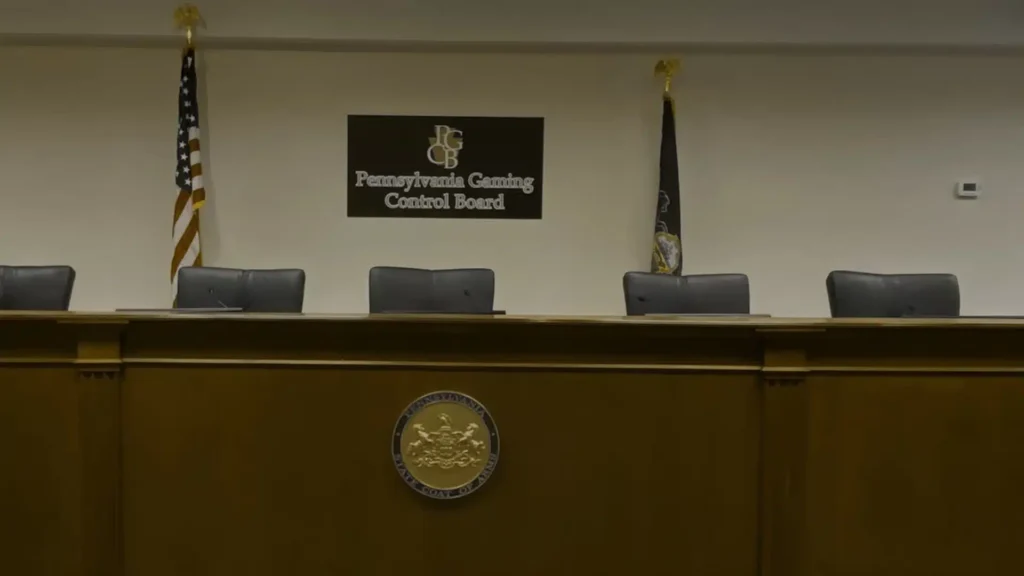
Pennsylvania self-exclusions rose 18% in the latest fiscal year, with more than 30,000 people now voluntarily excluded from one or more forms of gambling, according to the Pennsylvania Gaming Control Board. The increase extends a rise that has continued since the state’s first online casino opened in 2019, putting player-protection demand alongside a market that has reached record revenue.
The figures add weight to a widening debate over whether safeguards are keeping pace with the growth of online gambling. The increase also brings renewed attention to the effectiveness of responsible-gambling measures as operators and regulators confront changing patterns of play.
Self-exclusions pass 30,000
The board’s latest annual report puts the number of people voluntarily excluded from at least one form of gambling above 30,000. Six years earlier, fewer than 1,500 people had joined the programs, while the source report says that, if the current trend continues, more than 10,000 people are expected to add themselves to the lists by the end of 2026.
Problem-gambling prevalence is also a concern. A 2025 report by the Pennsylvania Department of Drug and Alcohol Programs estimated that between 2.5% and 6.4% of adults in the state could be classified as problem gamblers, equivalent to roughly 200,000 to 700,000 people. It found that people gambling across multiple platforms were more likely to report gambling addiction than those who gambled only online or only in person.
The growth in exclusions coincides with a shift in the state’s revenue mix. Online gambling revenue increased 18% in the latest reported year, while revenue from in-person casinos declined 0.5%. Overall gambling revenue topped $7 billion for the first time, and tax revenue exceeded $3 billion, also setting records.
Online slots generated the majority of internet gambling revenue. Sports betting continued to grow, but produced less than a quarter of the revenue generated by online slots-an important distinction as debate over online protections often spans several forms of gambling.
Regulatory pressure grows
Calls for regulatory action have increased alongside the figures. A nonpartisan report published in July argued that Pennsylvania needed new rules to address problem gambling, describing a choice between measures that could reduce overall gambling revenue and more targeted steps with a smaller effect on state finances.
The Gaming Control Board has proposed a broad update to gambling regulations in response to changes linked to online play, including new restrictions on casino advertising. Philadelphia ranks first nationally for gambling advertising, while Pittsburgh ranks fifth, according to the source report. The discussion reflects a broader shift toward considering player wellbeing alongside restrictions.
Lawmakers have also raised possible restrictions. Senator Wayne Fontana, a Democrat representing Brookline, has called for a ban on credit-card use at online casinos, but the legislature has not passed major reforms addressing gambling addiction.
Next steps for Pennsylvania
Another regulatory issue concerns skill games: slot machine-like devices found in convenience stores and other small businesses. The Pennsylvania Supreme Court ruled that the machines are subject to state gambling law, meaning they could face law-enforcement seizure beginning October 13, 2026.
With the self-exclusion total above 30,000 and further additions projected if the trend holds, the next test for Pennsylvania will be how its proposed regulatory changes and legislative debate translate into policy. The figures place a measurable rise in demand for exclusion alongside record market revenue, without yet showing whether new safeguards will change either trajectory.
The post Pennsylvania gambling exclusions top 30,000 amid record revenue appeared first on CasinoBeats.