Kalshi, Polymarket and the Coalition for Prediction Markets spent at least $3 million on lobbying and campaign contributions across federal and state levels in 2026, as officials contest who has authority over the platforms. The figures, reported by OpenSecrets on September 30, capture an industry effort unfolding alongside lawsuits and a still-unsettled federal-versus-state legal fight.
A fight over financial contracts or gambling
Prediction-market companies argue that their event contracts are financial transactions known as swaps, regulated federally by the Commodity Futures Trading Commission (CFTC). Many states take the opposing view: platforms offering contracts on sports and other events operate like sportsbooks or casinos, and should fall under state gambling laws.
The distinction carries substantial commercial consequences. Federal oversight could give platforms a nationwide regulatory framework, while state authority could expose them to different licensing rules, restrictions or bans across the country. The debate has sharpened amid allegations involving insider trading, bets on military operations and deceptive marketing.
The CFTC has sued states seeking to enforce gambling laws against prediction-market platforms. Meanwhile, state attorneys general have argued that federal oversight should not displace state gambling rules; in July, 44 signed a letter to the commission describing prediction markets as a new form of casino. The dispute is now being tested in federal courts, where rulings have split and the question is moving toward the Supreme Court.
The jurisdictional clash has become a central feature of the market’s expansion, with the CFTC and state officials advancing competing claims over prediction-market regulation.
Kalshi targets state-level influence
Kalshi’s political contributions have reached organisations representing both parties. In the first half of 2026, the company gave $147,500 to the Republican Attorneys General Association and $170,000 to the Democratic Attorneys General Association. It also contributed $100,000 to the Republican Governors Association and $150,000 to the Democratic Governors Association during the same period.
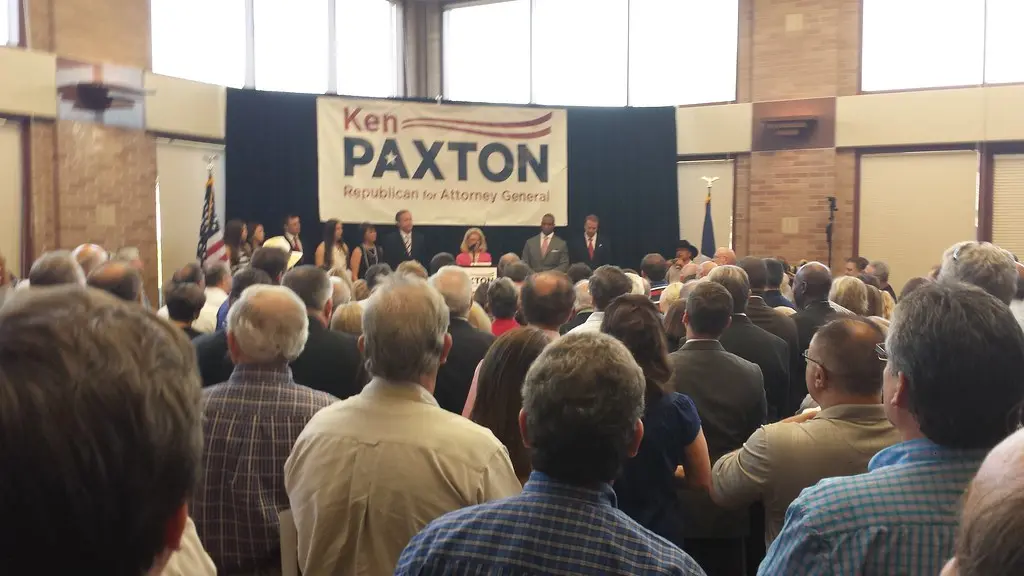
The company also donated to a super PAC supporting Texas Attorney General Ken Paxton’s Senate run and to the campaigns of Vermont Attorney General Charity Clark, Oregon Attorney General Dan Rayfield and Florida Attorney General James Utheimer. Kalshi spokesperson Dani Lever said the company supports candidates from both parties. Clark and Rayfield told local outlets their contributions did not influence them, according to OpenSecrets.
Alongside campaign giving, Kalshi has built a broad lobbying presence. As of September, it had at least one registered lobbyist in 41 states, with nearly all brought on since April. In California, the company spent $62,000 on lobbying in the first half of 2026, including work on three assembly bills and engagement with the governor’s and attorney general’s offices on prediction markets.
New York is another major target. Kalshi reported increasing its monthly payment to Brown & Weinraub Advisors from $10,000 to $25,000 and committed to pay the Mirram Group $25,000 per month under a contract running through July 2027. With in-house lobbyist Blake Bee also registered in the state, projected spending on the New York effort exceeds $400,000 through July 2027.
The state campaign is aimed at a shifting regulatory landscape, not just individual bills. A recent example of that pressure is Connecticut’s lawsuit challenging Kalshi’s sports markets.
Federal lobbying adds another front
Kalshi spent nearly $1 million on federal lobbying through June 30, 2026. It opened a Washington, D.C., office in January, headed by John Bivona, and hired six outside lobbying firms. Miller Strategies received $240,000 from the company in the first half of the year, while Lincoln Policy Group received $120,000.
Kalshi disclosed lobbying on the Prediction Market Act, the Protect College Sports Act and the National Defense Authorization Act, as well as matters involving the CFTC, the Executive Office of the President, the Securities and Exchange Commission and both chambers of Congress. Provisions identified in the defence bill would restrict certain prediction-market transactions, bar Department of Defense personnel from trading on the platforms and prohibit bets on military operations.
The political activity extends beyond company spending. Federal Election Commission filings show Kalshi co-founders Tarek Mansour and Luana Lopes Lara collectively gave about $1 million to Democratic and Republican recipients during the cycle. Polymarket spent $180,000 on federal lobbying in 2026, while it had not registered any state lobbyists as of OpenSecrets’ reporting.
The coalition, which includes Kalshi alongside Robinhood, Coinbase, Crypto.com and Underdog, has also engaged federal lobbyists and spent on California lobbying. Its coordinated advocacy reflects a broader effort by prediction-market businesses to shape the rules as states and federal authorities contest jurisdiction. Industry and gambling interests have also clashed over whether state-level opposition is coordinated, a debate reflected in claims about prediction-market firms and casino lobbying.
For Kalshi, a state presence may prove useful if the Supreme Court ultimately leaves states able to regulate prediction markets as gambling. The immediate uncertainty is whether federal commodities law preempts state gambling rules-and, if states prevail, how lawmakers adapt statutes written for sports betting, poker and casino games to contracts on a much wider range of events.
The post Prediction Markets Face a US Jurisdiction Fight appeared first on CasinoBeats.