Dakar Hosts West Africa’s Gaming Industry as SBWA+ and GEFA 2026 Conclude with Awards, Industry Debate and a Memorable Harmony Night
BetConstruct AI takes two major awards, Senegal’s LONASE receives recognition for player protection, and the industry gathers for three days of discussions and networking in the Senegalese capital.
Dakar, Senegal — 17 October 2026
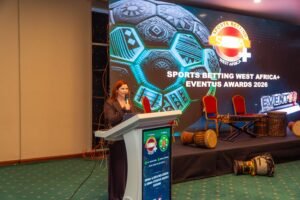
The 11th annual Sports Betting West Africa+ Summit (SBWA+) and the second Gaming Event Francophone Africa (GEFA) concluded on Friday, 16 October, following three days of conference sessions, exhibitions, award presentations and networking at the King Fahd Palace Hôtel in Dakar.
Organised by Eventus International, the two events were held together for the first time, bringing representatives of the English- and French-speaking African gaming industries into the same venue. Operators, regulators, national lottery representatives, technology suppliers, payment providers and consultants came together to discuss an industry that continues to attract international attention, even as regulatory and operational conditions vary considerably between markets.
For Dakar, hosting the two conferences represented an opportunity to put Senegal and the wider Francophone region in front of an international industry audience that has traditionally paid greater attention to markets such as Nigeria, Ghana and South Africa.
The conference programme reflected that shift, with discussions ranging from licensing and taxation to mobile money, cybersecurity, responsible gambling, artificial intelligence and the increasingly important question of how international operators can successfully adapt their products to individual African markets.
Regulation, payments and the realities of operating in Africa
Across the two conference streams, much of the discussion centred on the practical conditions that determine whether gaming businesses can operate successfully across the continent.
Taxation remained a prominent subject, particularly the difficult balance between generating government revenue and maintaining a commercially viable regulated industry. While governments are understandably interested in capturing a greater share of gaming revenue, operators also have to contend with growing compliance obligations, technology investments and increasingly competitive markets.
Responsible gambling and player protection received considerable attention, reflecting the growing recognition that the long-term development of the industry depends on credible regulation and responsible operating practices.
Technology discussions moved well beyond gaming platforms themselves. Payment infrastructure, customer authentication, cybersecurity and transaction reliability are particularly important in markets where mobile money plays a central role in everyday financial activity.
The GEFA programme focused more specifically on the Francophone markets, including Senegal’s position within the regional gaming landscape, the role of national lotteries and the licensing and commercial structures available to international companies.
One of the important questions raised throughout the programme concerned market entry. International interest in Francophone Africa is growing, but the region cannot sensibly be treated as a single commercial or regulatory territory.
Different licensing frameworks, national lottery arrangements, local partnerships, tax regimes and consumer habits mean that a successful approach in one country may require considerable adjustment in another.
These are familiar challenges for experienced African operators, although they remain easy to underestimate for businesses approaching the continent for the first time.
GEFA 2026 was chaired by Robert Brassai, Principal Consultant at Sense4Gaming, while Geoffrey Muindi, Managing Director of Gaming NewsByte and Africa Brand Ambassador for Eventus International, chaired the SBWA+ programme.
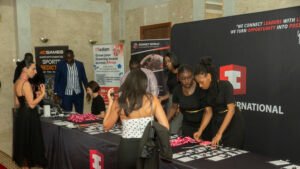
Eventus Awards recognise industry leaders
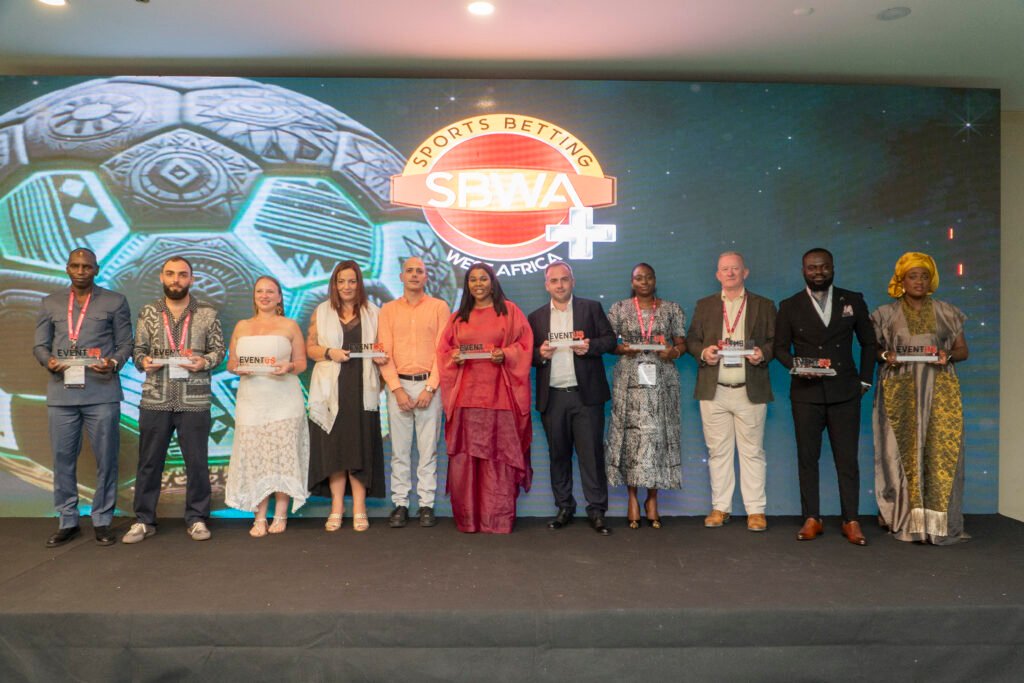
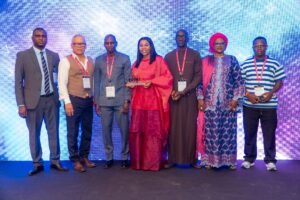
The SBWA+ Eventus Awards ceremony, held during the opening evening on Wednesday, 14 October, recognised companies and individuals for their contributions to gaming and sports betting across Africa.
BetConstruct AI was among the most prominent winners, receiving both the Supplier of the Year and Leader in Sports Betting awards.
The technology provider’s double recognition came during an event at which it also maintained a substantial commercial and social presence.
Bet9ja received the Operator of the Year award, while PlaylogiQ was recognised for Innovation of the Year. Kiron Interactive collected the Leader in Virtual Sports award, and QTech Games was named Leader in Online Casino.
Among the particularly notable results was the recognition of Senegal’s national lottery, LONASE, which received the Leader in Responsible Gambling & Player Protection award.
With Dakar hosting the conferences and the future of regulated gaming in Francophone West Africa featuring prominently in the discussions, the award carried particular local significance.
Individual recognition included Dr. Kolade Abisoye of iGaming WriteNow, who received the Outstanding Industry Influencer award, and Robert Brassai of Sense4Gaming, who was named Outstanding Consultant of the Year.
The Celebrating Women in Gaming awards recognised Ndambao Diallo Ndao of LonaseBet and Vera Sherman of Premier Bet Liberia, while Moustapha Camara, Chairman of the Board of Directors of LONASE, received an honorary award.
The awards provided a useful snapshot of the different businesses and individuals contributing to the industry’s development, from large international suppliers to African operators and local institutions.
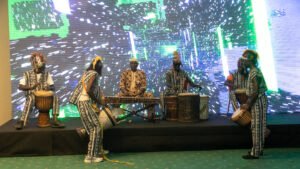
BetConstruct brings Harmony to Dakar
If the conference sessions provided the serious business discussions, Thursday evening belonged to Harmony.
Sponsored by BetConstruct AI, the invitation-only Harmony gathering brought senior industry representatives together for an evening of dining, entertainment and networking, away from the more formal setting of the conference rooms.
The event became one of the social highlights of the Dakar programme, with delegates continuing conversations that had started during the day’s meetings and exhibition activities.
BetConstruct’s presence was particularly visible throughout the summit. In addition to sponsoring Harmony and collecting two Eventus Awards, the company showcased its gaming technology and products to the African market.
The presence of Vigen Badalyan, co-founder of BetConstruct and one of the industry’s recognised entrepreneurs, added another dimension to the company’s participation.
Badalyan’s engagement with the Dakar event was also reflected in his own social media activity, where he highlighted the networking opportunities, business conversations and BetConstruct’s exhibition presence.
For a company with an extensive international footprint, participating at this level in Dakar signals the commercial importance that major technology suppliers attach to the African market.
Harmony also illustrated an increasingly familiar feature of major gaming conferences: some of the most valuable discussions happen once the formal agenda has ended. With operators, suppliers, investors and other decision-makers sharing the same social environment, there is considerably more room for informal conversation than a tightly scheduled conference programme normally allows.
And after a full day of panel discussions about taxation, regulation and payment infrastructure, a good evening’s entertainment was probably appreciated by everyone.
Francophone Africa receives greater attention
An important aspect of the Dakar gathering was the opportunity for the Francophone gaming industry to have its own dedicated programme alongside the established SBWA+ Summit.
Markets including Senegal, Côte d’Ivoire and Benin have different regulatory structures and commercial traditions from the better-known Anglophone gaming jurisdictions.
The participation of representatives from national lotteries, regulatory institutions and private operators allowed the GEFA discussions to address some of these distinctions.
Among the subjects explored were the relationship between state lotteries and private gaming operators, the role of local partnerships, payment integration, and the opportunities and constraints facing suppliers entering these markets.
The growth of mobile money and the increasing availability of digital gaming products continue to create opportunities, although the practical requirements of operating across different jurisdictions remain substantial.
Technology suppliers are also paying closer attention to localisation. Language is only one part of the equation. Payment methods, customer support, device compatibility, data connectivity and the types of products consumers actually want can be equally important.
The discussion around market entry therefore extended beyond obtaining licences and signing commercial agreements. Establishing a sustainable operation requires an understanding of the local environment and the ability to adapt to it.
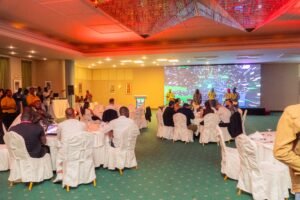
A busy final day and a wider industry conversation
The conference concluded on Friday with sessions focusing on technology, marketing and the commercial outlook for African gaming.
Artificial intelligence featured in discussions about player engagement, data analysis and marketing effectiveness, while other sessions examined social media, affiliate relationships and the convergence of esports, sports betting and emerging forms of digital entertainment.
These subjects are particularly relevant in markets with young, digitally connected populations and rapidly changing consumer behaviour.
However, as several of the conference themes demonstrated, introducing new technology is only part of the challenge. The quality of implementation, customer experience, regulatory compliance and operational execution will ultimately determine its commercial value.
The presence of international suppliers alongside African operators also highlighted the importance of understanding differences between individual markets rather than relying on a single continental expansion strategy.
With the closing sessions completed on Friday afternoon, the combined SBWA+ and GEFA programme brought another edition of Eventus International’s African conference calendar to an end.
Dakar makes its case
The decision to bring SBWA+ and GEFA together in Dakar proved a useful way to connect two industry communities that share many commercial interests but operate in different regulatory and linguistic environments.
The conference offered international companies an opportunity to learn more about Francophone Africa, while local operators and institutions gained direct access to a broader network of technology providers, advisors and potential partners.
The Eventus Awards recognised some of the businesses and individuals already active in the region, while BetConstruct’s prominent participation and the Harmony evening added a substantial international industry presence to the event.
What happens after the conference will be the more meaningful measure of its commercial impact. Partnerships discussed in Dakar will need to become operating agreements, technology proposals will need to meet local requirements, and the regulatory questions raised throughout the sessions will continue long after delegates have returned home.
For three days, however, Dakar provided a meeting point for many of the people involved in shaping the next stage of the West African gaming industry.
And with the growing interest in Francophone markets, there should be plenty to discuss when the industry meets again.