A man identified as online gaming kingpin Pei Min Si is now in police custody in Thailand. The suspect linked to the Shwe Kokko network was arrested on 9 April in a dawn raid at his Pattaya hideout. The action followed a warrant from the Chinese Embassy in Bangkok.
The Chiang Rai Times called Pei a “key figure” in Myanmar’s iGaming underground. The network allegedly operated platforms across more than 239 channels with 330,000-plus active members in 31 Chinese provinces. China strictly forbids online gambling and limits land-based gaming to the special administrative region of Macau.
Pei has reportedly been on the run since May 2024, when he fled Thailand for Laos with a Chinese passport. In August 2025, he reentered the kingdom using a “golden passport” issued by St Kitts and Nevis.
The Caribbean nation’s “citizen-by-investment” programme has come under scrutiny for letting foreigners buy passports, sometimes without in-person applications. The cost is steep: a minimum donation of $250,000; the purchase of a private property for at least $600,000; or a minimum $325,000 investment “in an approved development”. That likely was not too rich for Pei. Since 2016, authorities say, his illegal gambling network has generated THB13.18 billion (US$409.8 million) and profits of about THB2.4 billion.
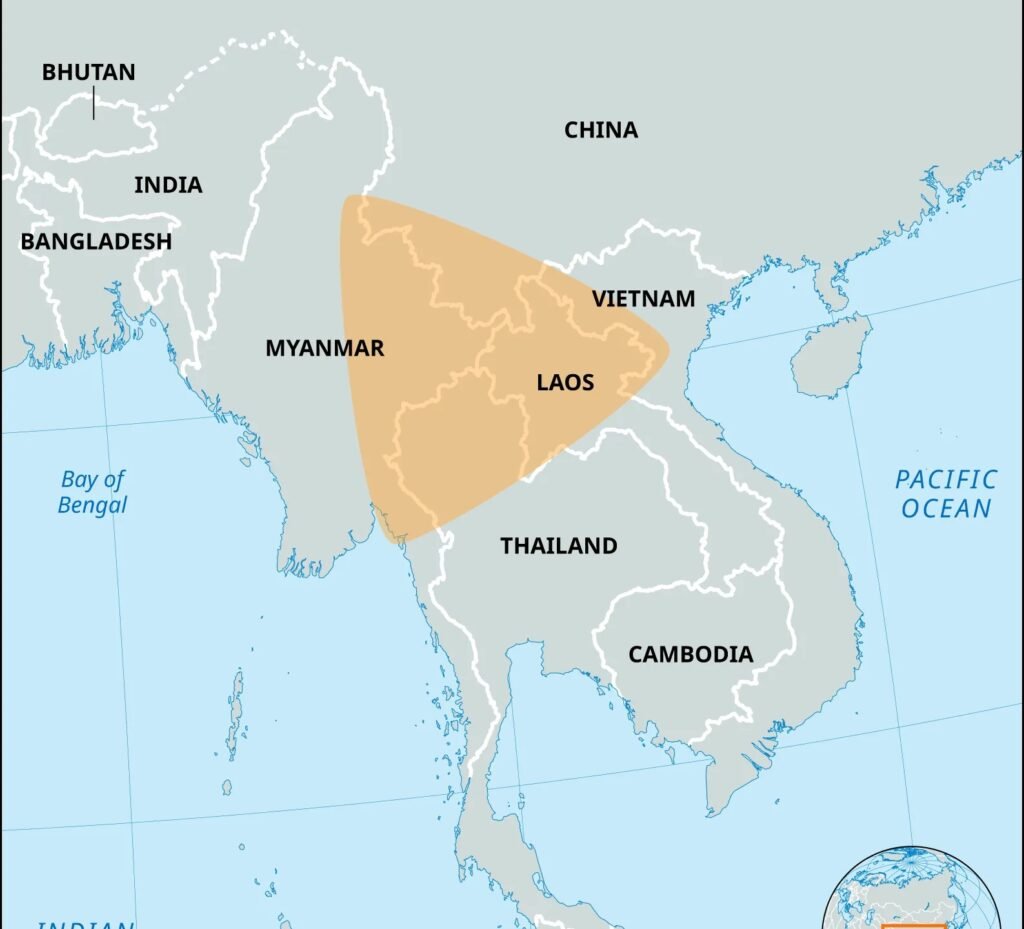
Shwe Kokko: The ‘scam capital’ of Myanmar
Myanmar claims it is cracking down on illegal iGaming and online fraud in Shwe Kokko, on the Thai border. In recent raids in the so-called “scam capital”, police seized and destroyed 3,300 computers and almost 22,000 cellphones used to accept online wagers. But the New York Times called the raids “performative”, a strategy by the Myanmar junta to placate Beijing.
China has zero tolerance for such schemes, which often go hand in hand with other criminal activities, like kidnapping, forced labour and the manufacture and sale of illegal drugs. In February, the Chinese government carried out the execution of 11 members of Myanmar’s notorious Ming family, convicted of telecom fraud, drug trafficking and murder.
In a documentary about Myanmar’s infamous “Four Families” – a criminal group that also included the Bai, Liu and Wei organisations – an investigator said China pursued the gangs “to warn other people, no matter who you are, where you are, as long as you commit such heinous crimes against the Chinese people, you will pay the price”.

Marjorie Preston
Marjorie began her gaming career in 2007 and has focused on Asian gaming markets since 2020. Outside of work, she writes about travel and film and plays the drums.