Russian casinos’ visitor numbers are on the rise, say industry officials, with footfall rising by 7.1% year-on-year in the first half of 2026.
More than 1 million Russian and overseas travelers visited casinos in the nation’s official gambling zones from January to June this year, the Russian media outlets Vedomosti and RBC reported.
The data comes from the Association of Entertainment and Event Tourism Industry Operators (AIRIS), an industry group for regulated land-based casinos.
“In these challenging times for the tourism industry, gambling zones remain reliable anchor points,” said AIRIS Executive Director Dmitry Anfinogenov. “They generate a steady flow of visitors to Russian regions and support local economic development.”
Tourism numbers remain relatively low in Russia due to the ongoing war in Ukraine. However, last month, Russian Far East and Arctic Development Minister Alexei Chekunkov said that foreign tourist numbers in Russia’s Far East and Arctic regions rose 91% in the first four months of 2026.

Chekunkov said visa-free travel agreements with China had helped spark the rise. The Russian Far East is home to the Primorye Gambling Zone, near Vladivostok.
The zone said earlier in April that it recorded 856,500 casino visitors in 2025, a year-on-year rise of over 12%. Visitor numbers from China and other Asia-Pacific nations grew by 9%.
Russian Casinos Visitor Numbers Mean Higher Tax Revenues
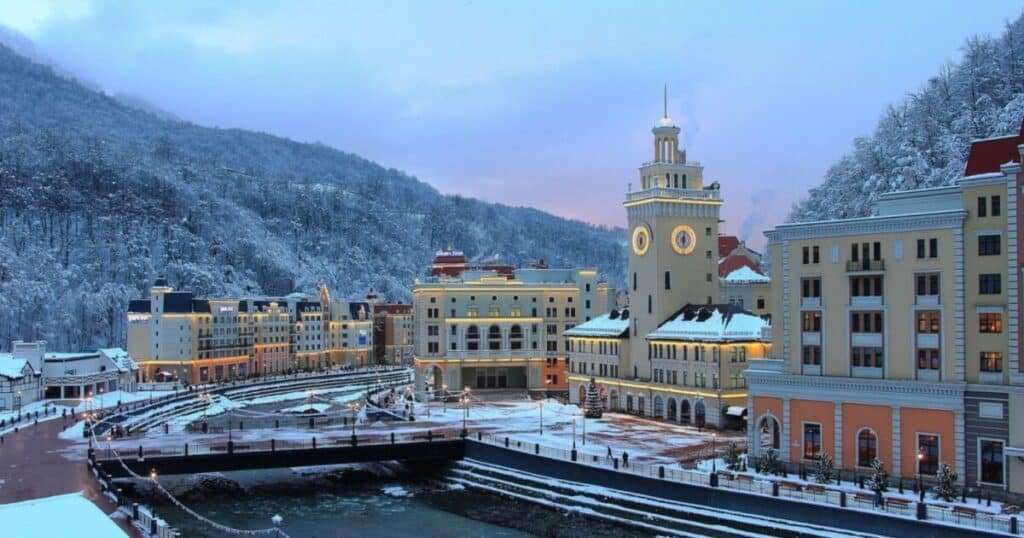
The AIRIS figures show that the most-visited casino complex in the country is Krasnaya Polyana, in the resort city of Sochi.
The complex’s two casinos, Casino Sochi and Boomerang, saw a rise of 6% in footfall in the first half of the year, with 466,300 patrons.
In second place was the Sobranie Casino in the Yantarnaya gambling zone, in the Kaliningrad region, which saw a 30% increase on its 2025 numbers.
Rounding out the top three was the Shambala casino in Primorye, which also welcomed 6% more visitors than the same period in 2025.
Moscow Eyes Gambling Zone Expansion
While some have poured scorn on the gambling zone model, the Kremlin has embraced it and shows signs it wants to expand it further.
Several casinos in the existing zones are now undergoing ambitious reconstruction projects that will add facilities and boost capacity.
And Moscow has signed off on two new gambling zones, one of which has the backing of Russia’s biggest bank, Sberbank.
The project, in the Altai Republic, Southern Siberia, is the brainchild of German Gref, a former government minister and one of the richest men in Russia.
Lawmakers who approved the new zone last year spoke of its potential to create new jobs for residents and increase Altai tourism revenues.
Critics, however, say Russia should abandon zone-based gambling hubs and instead let all major cities establish and regulate casinos.
Other gambling industry insiders have suggested creating a gambling zone near Moscow.
Kremlin’s Crimea Plans on Hold
Casinos were banned in Russia on July 1, 2009, but gradually made a comeback through the Kremlin-backed zone model.
The Russian government officially created a gambling zone in the Yalta region of Crimea in 2014, designating boundaries for the project in 2019.
But plans to launch a zone in Yalta have been beset with setbacks and delays. Crimea remains an internationally recognized territory of Ukraine, a fact that has deterred major domestic and overseas investors.
Foreign and Russian investors have instead put their money into casino-related projects in Kaliningrad and the Far East.
The Russian government says around 6.5 million foreign visitors will have arrived in the country by the end of 2026.
Tourism firms say they are targeting a range of Asian markets, including China, India, and Southeast Asian nations.
Despite their optimism, airspace disruptions, sanctions, and the uncertainty over the war continue to hamper their efforts.
The post Russian Casinos’ Visitor Numbers Up By Over 7% as Kremlin Eyes New Gambling Zones appeared first on CasinoBeats.